To many people, a shirt is a piece of fabric designed to keep you warm or looking fresh. However, we are entering a time where your outfit does more than just sit there and look pretty. In 2026, the line between high-tech hardware and style is blurring…
From threads that track your heart rate to fabrics that collect your body heat, here is how tech is officially taking over the textile industry.
To many people, a shirt is a piece of fabric designed to keep you warm or looking fresh. However, we are entering a time where your outfit does more than just sit there and look pretty. In 2026, the line between high-tech hardware and style is blurring…
From threads that track your heart rate to fabrics that collect your body heat, here is how tech is officially taking over the textile industry.
Wearable Computer Chips
A standard cotton t-shirt usually lasts between 40-50 washes (about a year) before it starts looking like a rag. For years, “smart” clothing couldn’t even hit half that mark. If you washed a smart shirt, the integrated sensors would snap, oxidize, or simply die. That has changed. Conductive yarns (threads coated in silver or graphene) are now the industry standard because they behave exactly like regular thread. They can even be run through the same industrial knitting machines that major brands use.
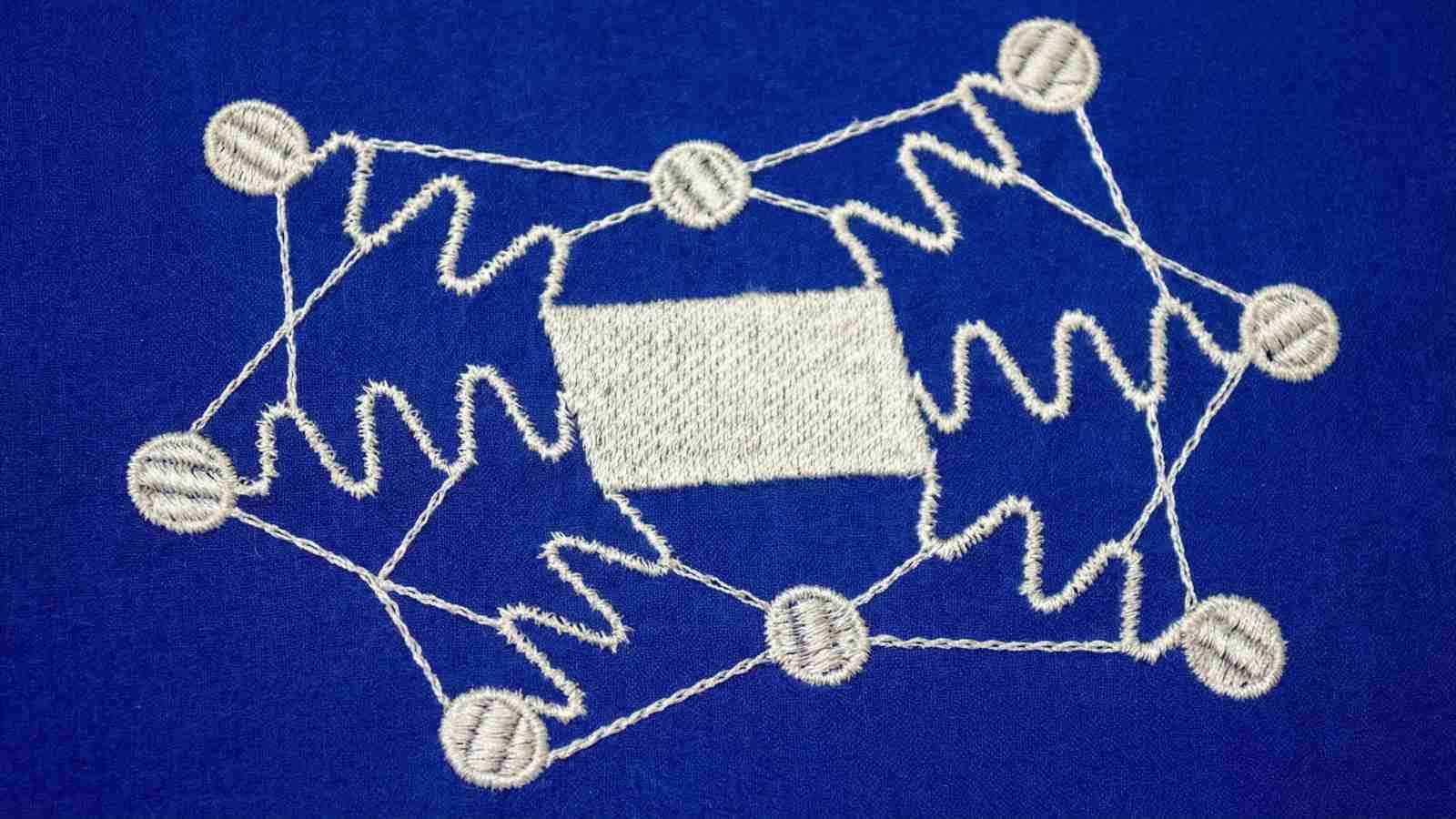
Conductive yarns allow the entire piece of clothing to act as a sensor. Improvements in nanotechnology coatings mean these shirts can survive rigorous machine wash cycles without losing conductivity. You get the durability of a standard henley, with the brain of a computer. Current fashion trends have been favoring the tight top, baggy bottom silhouette. This is a gift for tech designers because for conductive yarns to act as textile electrodes and track your heart rate or breathing, they need skin contact. These tighter-fitting base layers allow companies to ditch the uncomfortable chest straps and integrate medical-grade heart monitoring directly into your shirt. It’s a third dimension to your outfit: it keeps you warm, it looks good, and it knows how you feel.
Your Body as the Ultimate Battery
The biggest buzzkill in wearable tech has always been the charging cable. No one wants to “plug in” their jeans at night. This has led to a battle for battery-free clothing between two heavy hitters: Thermoelectric Generators (TEGs) and Triboelectric Nanogenerators (TENGs).
You (yes you reading right now) are smoking hot… literally. The human body constantly emits heat. TEGs take advantage of this with the Seebeck Effect, which creates electricity whenever there is a temperature difference between two surfaces. As long as you are alive and the air around you is cooler than your skin, your clothes generate a “trickle charge.” This is the ultimate reliable energy source. Whether you’re sleeping or running a marathon, your body heat keeps your sensors alive 24/7.

While TEGs are great for steady, low-power reliability, TENGs are the heavy lifters for high-power bursts. TENGs collect kinetic energy; the friction when you move. Think of a model walking a runway: every stride and arm swing creates a massive spike of energy. A single step in a TENG-powered shoe can generate enough voltage to light up dozens of LEDs. Think of e-bikes and how you can charge the battery if you pedal yourself, except these clothes don’t require any extra effort, your every move powers them.
The future isn’t choosing one; it’s using both. Research has shifted toward hybrid harvesters. These fabrics weave these high-tech fibers together so that you can generate power while running a marathon and while taking a nap. You and your clothes can essentially be a walking, breathing power plant.
Built-in Instinct
If sensors are the eyes and generators are the heart that powers smart clothes, then Linear Resonant Actuators (LRAs) are the muscles. These little machines are tiny vibration motors, as small as a coin and sewn into collars, hems, and waistbands. These motors solve some of the issues faced with other designs like Shape-Memory Alloys (SMAs); metals that contract when heated and can make fabric appear to be moving on its own. SMAs can require a lot of power and move slowly, LRAs overcome that by being cheap, reliable, and providing strong haptics.
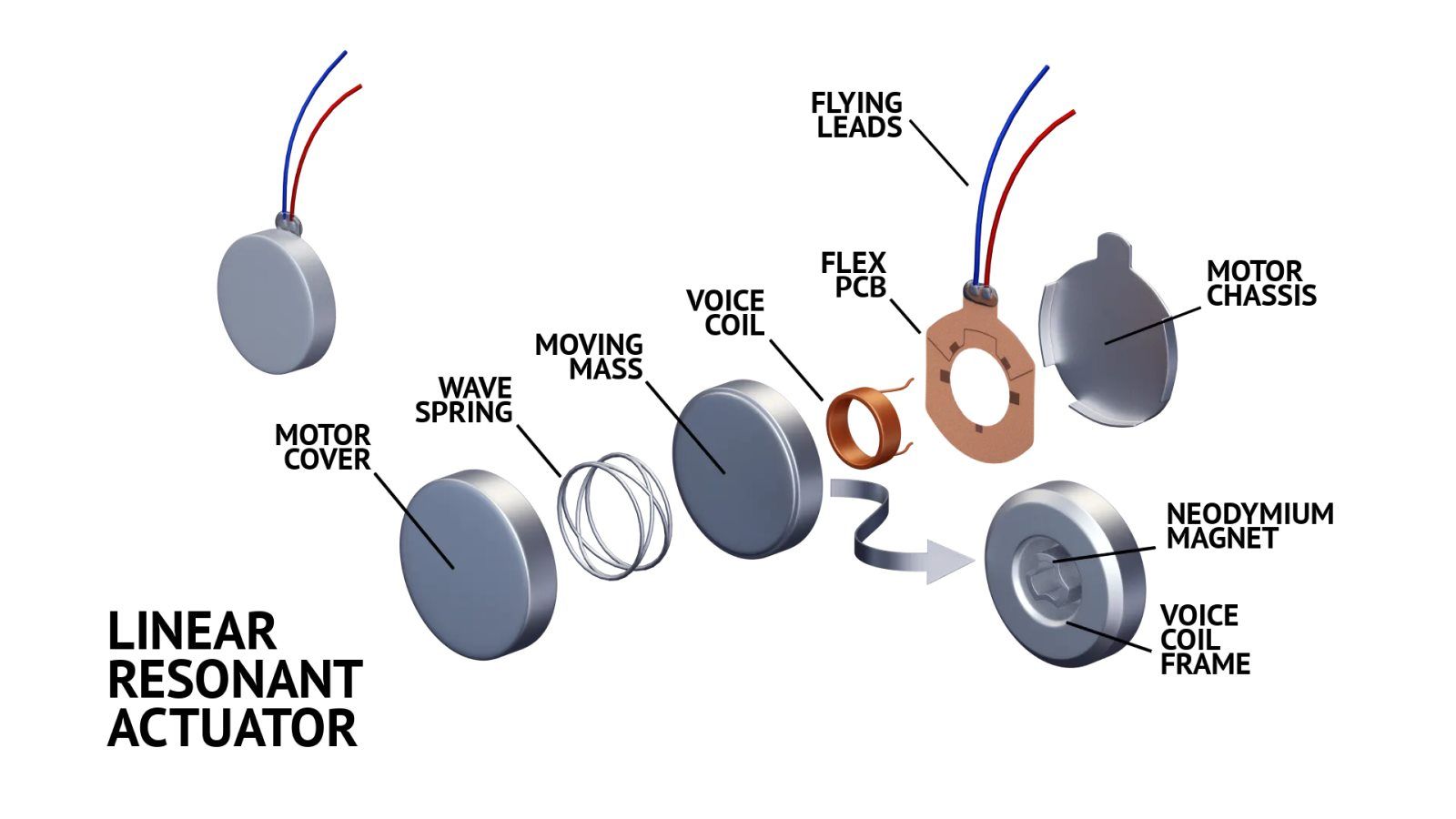 Picture Credit: Somatic Labs
Companies like Wearable X are making waves with their popular Nadi X yoga leggings. By using LRAs at the hips and knees, the leggings give you pulses to help you adjust your form. New motors can even mimic the feeling of a swipe or tap on your skin. Imagine your shirt collar tapping you on your side to tell you to turn left or right on your GPS, or reminding you to correct your posture to save you from back pain.
The real synergy happens when you combine all three technologies. The conductive yarns detect you’re slouching, the TEG/TENG fibers harvest the energy needed to react, and the LRAs give you the nudge to sit up straight. It’s not science fiction anymore. In 2026 a custom-made item of clothing doesn’t just fit perfectly, it knows you better than you know yourself.
A More Comfortable Future
As clothing starts to match our phones in intelligence, basic wardrobe staples are being redefined. Smart garments are shifting from passive fabric to active systems that support health, posture, and everyday comfort, turning what you wear into part of your personal toolkit.
Wearable tech is only the beginning. Dive into the next wave of everyday innovation at VivaTech this June.